
The pre-war British diet

The pre-war British diet
It may be hard to imagine how WWII could possibly have affected our diets; but without the war we would almost certainly have been eating quite differently.
Before WWII the average British person was not particularly well nourished even though good fresh food was on sale.
Poverty made it impossible for many people to eat well; malnutrition and subsequent infant mortality were serious problems for many families.
Many elderly people were unable to afford to eat properly and died at a relatively young age.
The problem was definitely not with the quality of the food available. There was plenty of locally grown fresh produce, home baked bread was good and relatively inexpensive and meat was available to all – providing they had the money to pay for it. In fact, food was, in the main, organically produced without chemical fertilisers while battery farming of poultry and meat was still in its infancy.

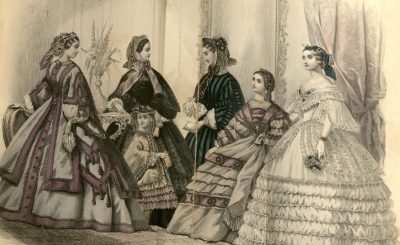
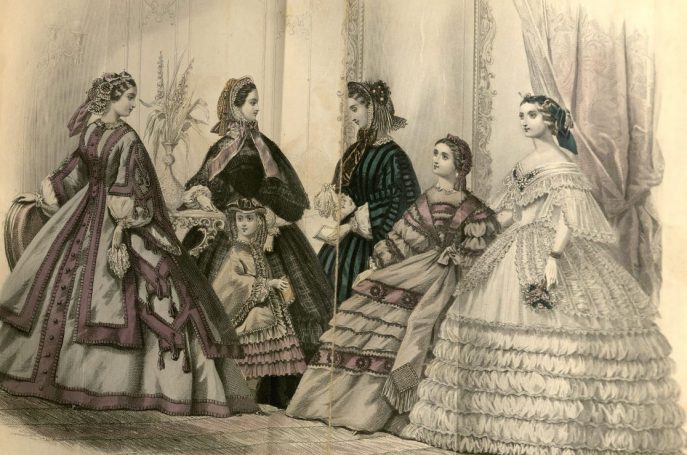
Mrs Beeton's Book of Household Management was often in evidence even though Mrs B (above) died in 1865.
The real problem was economics as the gap between those who "had' and those who "had not' was so pronounced that poverty was inevitable.
Take meat eating for example. Eating all kinds of meat was a part of the middle class way of life for those with money (vegetarianism before the war was hardly known and regarded as a fad or reluctantly indulged in as part of a "health cure').

Those who could not afford expensive meat and dairy products lived primarily on bread and home grown potatoes and vegetables and supplemented their meagre diet with rabbits and fowl.
It is clear from contemporaneous sources (cook books, novels and diaries to name but a few) that pre-war Brits from all economic groups were enthusiastic carnivores if they were given half a chance. They also had a very sweet tooth!
Before the war, people from all social groups consumed huge amounts of sugar in the form of pastries, elaborate desserts and stodgy puddings.
Sugar was simply a part of life and people enjoyed their rich, sweet treats and highly sweetened foods.
In the same way, pre-war people delighted in confectionary of all kinds; although there was a price to pay as both children and adults often suffered from severe tooth decay.
Then in 1939 came WWII and on the 8th January 1940 food rationing was enforced.
Suddenly people were unable to get as much meat as they would have liked. They were unable to get sugar to make rich desserts and confectionary and even fresh vegetables were in short supply unless home grown.
Most British people had to change their eating habits just to survive!
Comments
Leave a comment Trackback