Things to consider

Great-Dixter.jpg

Things to consider

Where is the house? Is it set in parkland or gardens? Is there a village or church in close proximity?

Try to look behind first appearances. Major alterations to original features can blur the apparent age of a building.

For example, in the late eighteenth century and early nineteenth centuries whole landscapes were often manipulated or "improved' by the removal of entire villages to create impressive vistas.

Are there signs of industry such as watermills, forges or foundries within the estate? Can the house be seen from a distance and was it built on an area that gave a physical or psychological strategic advantage?

A country house is often only one item in a portfolio of properties owned by the same family. Owned properties and sites of land served as a power base for a rich family.

From the Medieval era through the late seventeenth century, shows of militaristic strength and local loyalties were vitally important to a dynasty's status. During this era, a country house provided a power base for the family's concerns, both in economic and in the political arena.

Later, houses provided economic power and were reflections of the owner's eminence, both locally and nationally.

Simple observation reveals strong clues to the relationship between the property owner and the surrounding area.

Picture, top right, Great Dixter in Sussex

Church-Doorway.jpg

Chronology

The chronology of a house provides a fascinating journey back through time. Sometimes a building appeared rapidly completely from scratch in one episode of construction. More often, a house took many years, decades or even centuries to take shape.

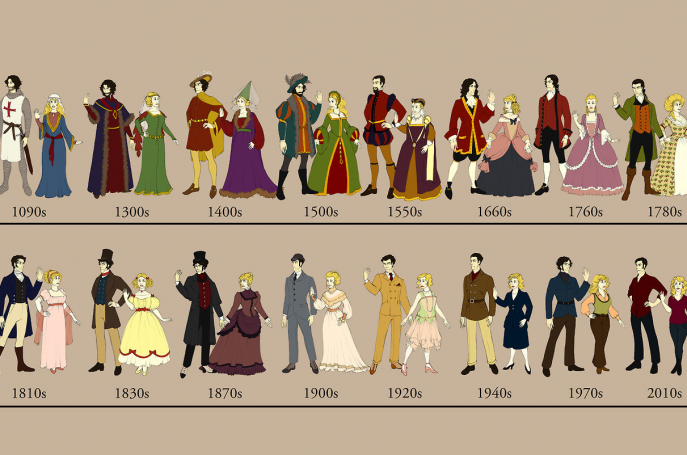
It is often possible to see quite clearly the development of different architectural styles. Developments often indicate changes of use for the space inside. The addition of social rooms, for example, making a clear statement about the intended key functions for the era.

Great Dixter in Sussex (pictured above) is an excellent example of a house that "grew' over a number of years. The present Great Dixter is originates from three houses. One was built in the mid-15th century with slightly later additions. The second is a yeoman's house from Benenden, across the border in Kent. It was built in the early 16th century and moved to the current site in 1910. The third house was designed to combine the existing two buildings with additional accommodation. It was completed in 1912.

Houses often develop in stages incorporating earlier dwellings, each part being from a distinct architectural or historical period. Alterations often reflect the changes in fortune of the owner, as well as the use and importance of the house itself.

Parham_lion.jpg

VA:F [1.9.10_1130]
Rating: 0.0/10 (0 votes cast)
VA:F [1.9.10_1130]
Rating: +1 (from 1 vote)
Share